
Are 3D printed toys safe for kids?
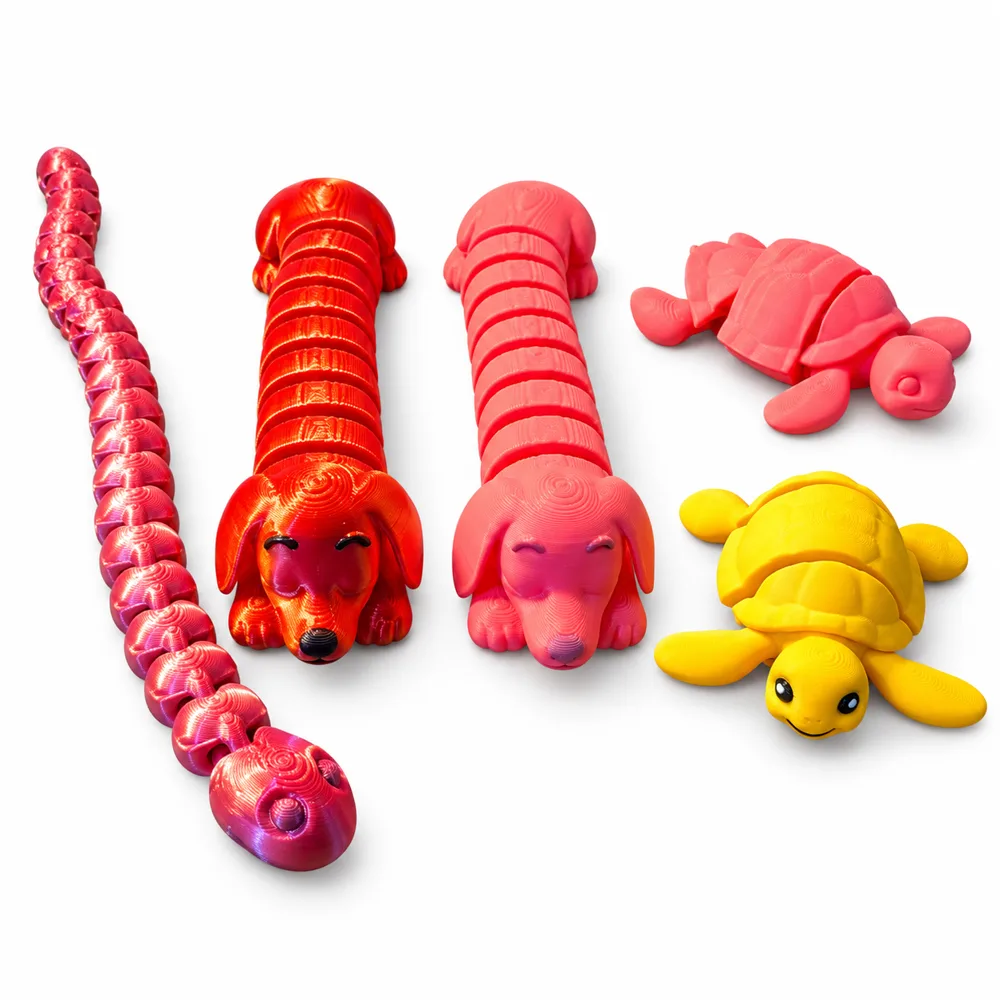
Short answer: a well made 3D printed toy is as safe as most plastic toys, and a badly made one is not. The difference is not the technology, it is the maker. Here is what to look at.
What the plastic actually is
Most printed toys are PLA or PETG. PLA is made from plant starches such as corn and is the most common material in home printing. PETG is a cousin of the plastic used in drinks bottles. Neither contains BPA, and neither is exotic. What matters more is what else is in the spool. Cheap unbranded filament can include unknown additives and colourants, which is one reason we print with genuine Bambu Lab filament rather than whatever is cheapest that week.
Small parts and age labels
This is the real risk with any small toy, printed or moulded. Anything that fits through a toilet roll tube is a choking hazard for a child under three. Our items are made for ages 6 and up, and anything with small parts carries that warning on the product page and on the packaging. If a seller has no age guidance anywhere, that tells you something about how carefully they are thinking.
Layer lines and sharp edges
Printed parts are built in layers, so they have fine ridges. Done well, those ridges are smooth enough that you feel texture, not edges. Done badly, you get stringing, sharp seams and brittle corners that snap into points. Every print we ship gets checked by hand, cleaned up and tested, because a moving toy that binds or a corner that cuts is not worth selling.
Strength: the part people get wrong
A printed toy is strongest across its layers and weakest along them, so a design has to be oriented on the print bed with that in mind. A sword printed the wrong way snaps at the handle the first time it is swung. This is a design question, not a plastic question, and it is why we print several test versions before something goes in the shop.
Heat matters more than you think
PLA starts to soften around 55 to 60 degrees Celsius. That is hotter than a house and cooler than a car dashboard in July. A PLA toy left on a dashboard can warp. PETG handles heat better, which is why we use it for items that live in backpacks and pockets.
Food, mouths and dishwashers
Do not treat printed items as food safe. The layer lines create tiny grooves that are difficult to clean thoroughly, and dishwasher heat can deform PLA. Keep printed toys out of mouths, wash by hand with warm soapy water, and dry them properly.
Cleaning a printed toy
- Warm water and a drop of dish soap, with an old toothbrush for the seams
- Rinse and air dry, no dishwasher, no boiling water
- No bleach or alcohol wipes on painted or silk finishes, they dull the surface
Questions worth asking any seller
- What filament do you use, and is it branded?
- What age is this made for, and does it have small parts?
- Do you check each piece before it ships?
- What happens if it arrives broken?
A seller who answers those quickly and plainly is a seller who has thought about it. If you ever get a print from us that does not feel right, text us and we will replace it.